
Prove the need
A durable proposition responds to observable demand rather than a fashionable format.

Places planned around genuine demand, everyday use and the realities of long-term operation.
Real estate joins location, design, finance, delivery and daily operation. Its value is shaped less by spectacle than by whether a place answers a real need and continues to serve the people who use it. Keystone’s lens begins with demand and use, then follows the practical questions through access, planning, construction, maintenance and adaptation.
Use, access, planning conditions and local economics should establish the case for a place.
Movement, comfort, service and flexibility turn a building into a useful environment.
Design, procurement, programme and risk require coordinated ownership from the outset.
Maintenance, energy use and adaptability shape value well beyond completion.
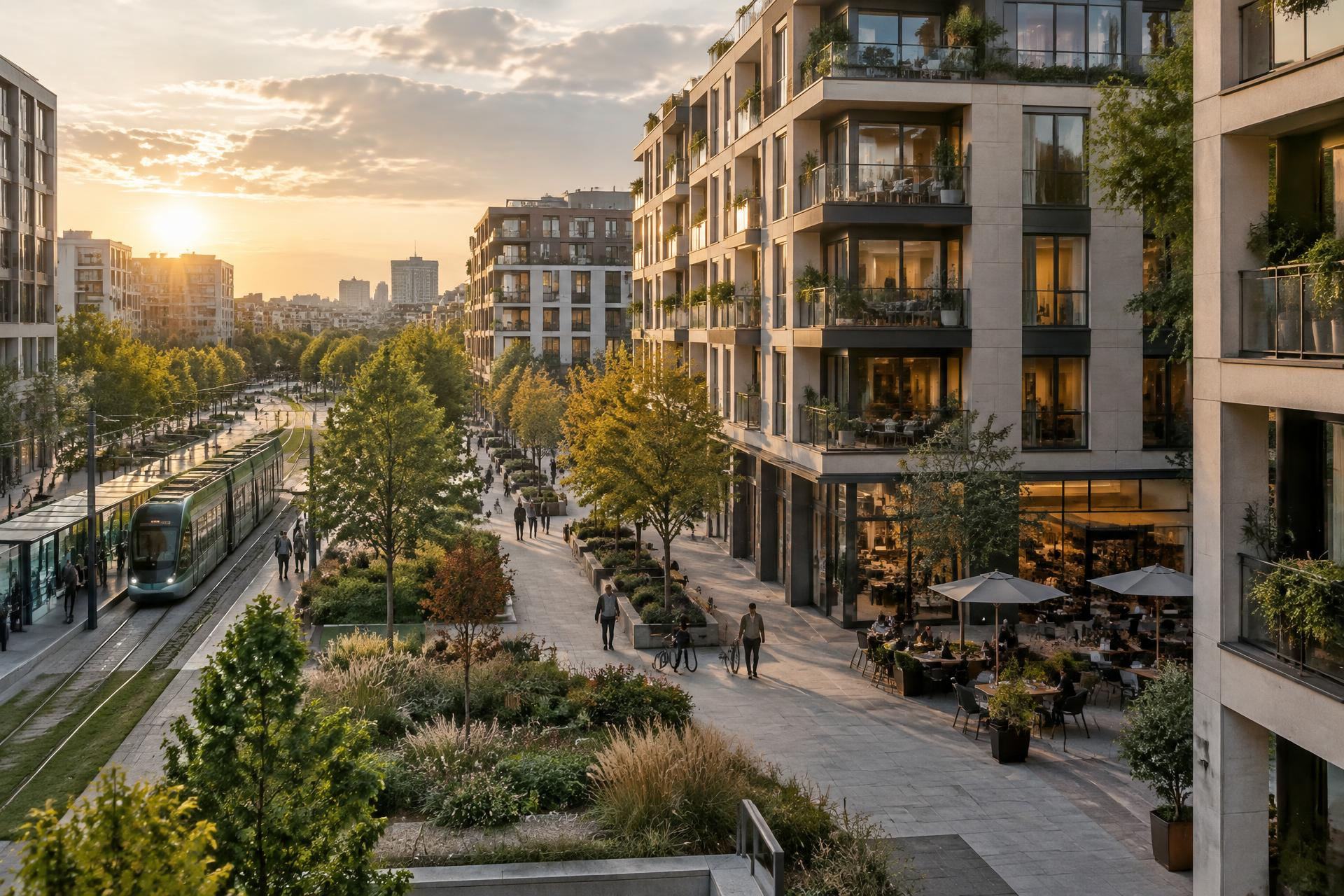
The strongest brief describes how a place should perform: who needs it, how they move through it, what it costs to run and how it may need to change. Form follows from those commitments.
A durable proposition responds to observable demand rather than a fashionable format.
Maintenance and service requirements should influence early capital decisions.
Infrastructure, regulation and community conditions make every location specific.
Explain the organisation, the opportunity and the decision that matters now.